
- You do not have any products in your shopping cart yet.

Wildlife Soft Toys and Plush Animals for Safari, Jungle and Distant Habitats


Your personal safari through the fascinating world of wild animals
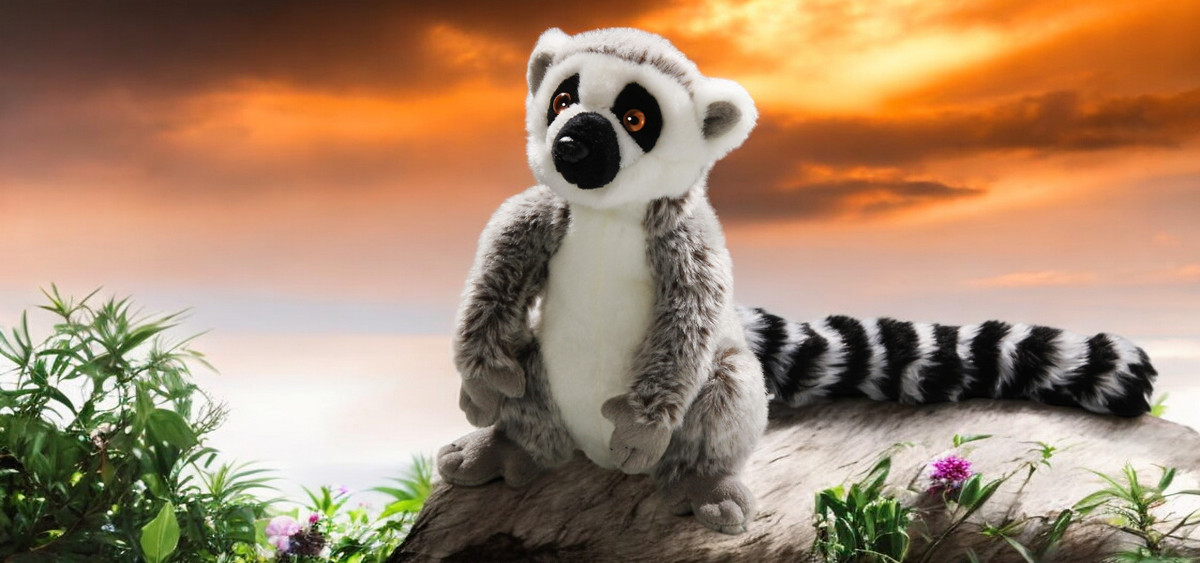
Not in the wild, but comfortably and cuddly on Plueschtier.de
Wild animals represent impressive habitats, distinctive body shapes and a natural world that extends from savannah and rainforest to dry deserts, high mountains and polar regions. As a Cuddly Toy, Plush Toy or Soft Toy, each species brings its characteristic features into a form that can be collected, given as a present, used in imaginative play or displayed as part of a room. The wildlife category on Plueschtier.de combines familiar safari animals with uncommon species, small specialists and striking creatures from distant regions. Children and adult animal enthusiasts can therefore explore a selection that reaches well beyond the best-known predators.It is useful to look at more than the name of a favourite species. Posture, proportions and expression all influence the effect of a Soft Toy. A standing wild animal can create a strong presence in a collection, a seated Cuddly Toy fits easily on a bed, sofa or shelf, and a long-bodied animal may work well as a relaxed companion. Several Plush Toys can be arranged as a savannah, jungle, mountain landscape or group of unusual species. This creates a selection with a clear theme rather than an unrelated assortment of animals.
The wildlife range of the Carl Dick Collection includes large mammals, big cats, primates, hoofed animals, reptiles, Australian specialities and creatures with a prehistoric character. Some designs are instantly familiar, while others introduce an animal that may be less widely known. This combination makes a wildlife Cuddly Toy more than a soft animal figure. It can become a trusted companion, a decorative focal point, a thoughtful gift for an animal enthusiast or a starting point for conversations about species and habitats.
With cuddly toys around the globe
A journey through this category is easiest to understand through habitats rather than as one long sequence of names. Open grasslands are shaped by large herbivores, fast hunters and social predators. Dense forests provide space for climbers, nocturnal animals and species with striking markings. Deserts and dry steppes are associated with prominent ears, long legs and compact body shapes, while mountain and polar animals often have dense-looking coats and powerful outlines. As Soft Toys, these differences can be explored side by side.A safari collection may begin with an elephant, giraffe, lion, rhinoceros and zebra. A predator theme becomes more varied with tiger, cheetah, panther, snow leopard, caracal, serval and ocelot. People who prefer uncommon species can choose an aardvark, echidna, pangolin, okapi, tapir, genet cat or armadillo. Australia can be represented by koala, kangaroo, wombat and Tasmanian devil, while alpaca, llama, chinchilla, sloth and capybara create a South American focus.
This way of grouping animals is also helpful when selecting a gift. A well-known wild animal is a natural choice when the recipient has a clear favourite. A less familiar Cuddly Toy suits someone who collects unusual species or enjoys wildlife, distant regions and the diversity of animal forms. Different sizes and postures make it possible to choose one individual Soft Toy or to build a coherent group over time.
Africa: The wild continent
Africa's savannahs, scrublands, forests and deserts provide many of the most familiar wildlife motifs. The majestic elephant is recognised by its trunk, large ears and powerful body. As a Cuddly Toy, it can look both impressive and approachable, making it a natural centrepiece for a safari group. The rhinoceros adds a compact outline and prominent horn, while the hippo introduces a broad head and rounded form. The lion family brings the classic character of a large predator. Together, these Plush Toys show how differently Africa's largest mammals are built.Tall, striped and horned animals add further variety. The giraffes stand out through their necks, legs and patterned coats. They can be combined with zebras, antelopes and the okapi, whose markings create a link between forest animals and hoofed wildlife. A buffalo adds a broad head and strong horns, while bison can introduce a similarly powerful but geographically different form. Warthogs have a lower, more compact outline and broaden a safari display beyond the animals most commonly chosen first.
Africa's predators include much more than lions. The cheetah has a slim, dynamic silhouette, the caracal is distinguished by long ear tufts, and the serval cat combines long legs with a spotted coat. Genet cats appear smaller and more finely built, while a panther creates a particularly clear dark outline. The hyenas, jackals and wild dogs add further forms from the world of African hunters. As Soft Toys, they demonstrate that a predator collection does not need to consist only of the most famous big cats.
Small and nocturnal species offer a different view of the continent. The bush babies, also known as galagos, are characterised by large eyes and compact bodies. The meerkats look especially alert in an upright posture. An aardvark has a long snout and large ears, while the anteater is a South American comparison with its own elongated snout and very different overall build. Pangolins, echidnas and armadillos provide further examples of animals whose protective outer surfaces create unusual forms. These motifs are ideal for collectors who want anatomically distinctive species alongside familiar wildlife.
Primates and tree-dwelling animals broaden the African selection. The monkeys range from compact forms to long-limbed species. The flying fox belongs to the bat group and creates a striking display when its wings are spread. Lemurs come from Madagascar and introduce long tails, prominent eyes and contrasting markings. The lemurs can therefore be combined with galagos and primates while retaining a clearly different appearance.
Dry regions have their own recognisable animals. The fenneks are immediately noticeable because of their very large ears. Camels bring long legs, humps and a calm standing posture into the selection. The jackal, antelope and smaller cats complete a desert or steppe theme. A wildlife collection can therefore be organised not only by continent but also by landscape: open savannah, dry desert, rocky ground or dense forest.
Asia: The exotic diversity
Asia combines tropical forest, high mountain ranges, steppe, desert and cold northern landscapes. Its wild animals consequently offer very different shapes for a Cuddly Toy or Soft Toy. The orangutans represent the primates of South-East Asian rainforests with their long arms and expressive faces. The tiger creates a strong visual focus through its stripes. Alongside panthers, snakes, monitor lizards and smaller forest animals, it can form a jungle group in which every species remains recognisable through a distinct outline.The pandas are unmistakable because of their black-and-white colouring. The red pandas have a reddish appearance and a long ringed tail. These two Plush Toy motifs create a strong contrast and combine well with other forest animals. A wider Asian selection may also include tapirs, pangolins, monitor lizards, snakes and smaller cats, allowing the display to move beyond the most familiar large mammals.
Mountain animals tend to look powerful and densely coated. The snow leopard combines pale markings with a long tail and compact big-cat form. Lynx and caracal add prominent ear tufts, although they occupy different habitats and regions. As Plush Toys, these species can be grouped by body shape, coat pattern or mountain theme. The arctic fox extends the selection towards colder landscapes and provides a light-coloured contrast to tiger, panther and darker predator motifs.
The steppes and dry regions of Asia are associated with camels, wild asses, antelopes and several canine hunters. A jackal suits this theme through its slim, dog-like silhouette. Wolves and foxes create a link to northern forests and open landscapes. These Soft Toys appeal to collectors who focus less on spectacular size and more on characteristic posture, ear shape and coat colour.
America: The colourful diversity of animals
North, Central and South America offer a broad range of wildlife motifs. In the open landscapes of North America, a bison makes a strong impression with its broad shoulders and dense-looking front section. The coyote has a slimmer canine outline, while wolves appear more powerful and heavily coated. Lynx and mountain lion motifs also suit a North American animal group. A collection arranged by landscape can therefore distinguish prairie, forest and mountain wildlife.South America is especially rich in recognisable shapes. The chinchillas appear small, rounded and densely coated. The sloths are identifiable through their long limbs and relaxed posture. Alpacas and the llama introduce long necks and an upright appearance. Although the two animals are related and may look similar at first, their proportions, coat treatment and facial expression can give each Plush Toy a distinct character. They work well as individual animals or as a coordinated pair.
The tropical and subtropical regions include armadillos, anteaters, capybaras and several cat species. The armadillo has a segmented outer form, while the capybara has a compact and calm-looking body. The ocelot stands out through contrasting coat markings. Tapirs combine a heavy body with a short flexible snout, while iguanas and chameleons represent the reptile world. These differences make American wildlife particularly suitable for a mixed display of mammals and reptiles.
The anteater is one of the region's most distinctive animals. Its long snout, bushy tail and characteristic stance make it easy to distinguish from the African aardvark. Placing the two Soft Toys together encourages closer observation: animals with superficially similar feeding adaptations can still have very different bodies and belong to completely separate groups.
Australia: The Land of Unique Wildlife
Australia is associated with species whose shapes differ clearly from many other wild animals. The koala appears calm with its rounded head, large ears and compact seated posture. The kangaroo is defined by powerful hind legs, a long tail and an upright body. The wombat has a lower, stockier outline. These three Plush Toys alone demonstrate how varied one region can be.The current selection also includes echidnas and monitor lizards. The echidna combines a spiny back with a long snout and short legs. A monitor lizard has a long body and tail and therefore looks entirely different from the mammals in the group. Together with koala, kangaroo and wombat, these animals represent climbers, jumpers, burrowers and reptiles. For collectors who focus on Australian wildlife, this range communicates much more than a single famous species.
Tasmania: The mystical south
Tasmania is represented most clearly by the Tasmanian devil. Its compact body, dark colouring and prominent ears give it a distinctive appearance. As a Soft Toy, it fits naturally into an Australian group but also works on its own as an unusual focal point. It is a strong choice for someone who already owns familiar wildlife Plush Toys and wants to add a species with immediate recognition and a less everyday character.A themed arrangement can place the Tasmanian devil beside wombat, koala, kangaroo and echidna. The animals have a regional connection but differ greatly in body shape and expression. These contrasts make a collection lively without making it look random.
Predators, reptiles and unusual wild animals
Many people begin a wildlife collection with a big cat. Tiger, lion, cheetah, panther and snow leopard have clear coat patterns or strong outlines. Smaller cats such as caracal, serval, ocelot, lynx and genet cat appear more finely built and help to create a graduated group based on size and markings. Canine wildlife such as wolf, coyote, jackal, fennec and wild dogs add longer muzzles and different postures. The result is a useful comparison of hunters rather than a group of nearly identical animals.Reptiles create a completely different emphasis. A chameleon is recognisable through its unusual head, curled tail and characteristic resting position. The iguana looks longer and more robust, snakes introduce an entirely different basic form, and monitor lizards combine an elongated body with strong legs. People who enjoy scale textures and long silhouettes alongside furred animals can create a particularly varied display with these species.
Unusual mammals include pangolin, aardvark, anteater, echidna, armadillo, tapir and okapi. The pangolin has a clearly layered outer surface, while a tapir is identified by its short trunk-like snout. These species suit anyone who chooses a Soft Toy not only for a friendly expression but also for a characteristic and immediately recognisable body shape.
Animals from earlier periods also have a place in the current wildlife selection. Dinosaurs broaden the category with very different body plans, from two-legged hunters to long-necked herbivores. The mammoth creates a link with elephants and cold Ice Age landscapes. These Plush Toys work well in collections that compare living wildlife with prehistoric forms.
Polar regions, mountains and open landscapes
Pale colouring, compact bodies and dense-looking coats shape many animal motifs from cold regions. The polar bear can look impressive as a large, calm Cuddly Toy or fit a smaller display in a seated form. The arctic fox adds a lighter outline through its pointed muzzle and full tail. Snow leopard and lynx introduce mountain and forest habitats, while wolves can suggest tundra, open country or woodland depending on the surrounding group.The lynx is easy to distinguish from other cat motifs through its ear tufts and short tail. Wolves have a longer muzzle and attentive posture. Bison and mammoth provide a heavy, powerful contrast to the more agile predators. These animals can be grouped by colour, coat appearance or landscape, giving a large wildlife collection a clear visual structure.
From familiar safari animals to rare species
One of the main strengths of the wildlife category is its combination of familiar and surprising motifs. Elephant, lion, tiger, giraffe and zebra are usually recognised immediately and make a strong starting point. Their key features remain visible even within a larger group of Plush Toys. Less common animals such as okapi, aardvark, pangolin, echidna, genet cat and tapir extend this familiar wildlife world. They make a collection more individual and encourage closer attention to muzzle shape, coat pattern, posture and habitat.A balanced display does not need every animal to be the same size. One large wild animal can provide the centre, with smaller Soft Toys arranged around it. A meerkat, bush baby or chinchilla appears especially small beside an elephant; a caracal, ocelot or genet cat can accompany a tiger as a more finely built cat motif. Differences in scale create depth and make the group more engaging. A calmer arrangement can instead use animals with similar height, colour or posture.
Animal families offer another clear approach. Cat-like motifs include lion, tiger, cheetah, panther, snow leopard, caracal, serval, ocelot and lynx. Canine wildlife includes wolf, coyote, jackal, fennec and wild dog. Large herbivores are represented by elephant, rhinoceros, hippo, giraffe, bison, buffalo, zebra and antelope. Reptiles such as chameleon, iguana, snake and monitor lizard form a separate group. This structure makes it easier to select a new Cuddly Toy without limiting the collection to one continent.
People seeking a less everyday animal can focus on distinctive physical features. The pangolin has overlapping scales, the aardvark has prominent ears and a long snout, the tapir has a short flexible nose, the armadillo has a segmented shell and the echidna combines spines with an elongated snout. As Soft Toys, these species are clearly different from standard bear, dog or cat shapes and therefore have particularly strong recognition value.
Wild animals for play, collecting and display
A wildlife Cuddly Toy can become part of an imaginative play world. Several animals can create scenes around a waterhole, forest path, rocky slope or open grassland. Children can arrange species by continent, form animal families or invent stories in which large and small creatures appear together. The play does not need to remain strictly zoological; the important point is that different forms and roles encourage original ideas. Elephant, giraffe and zebra can form a safari, tiger and orangutan a forest scene, and kangaroo with wombat an Australian group.Collectors often choose a different focus. Some concentrate on one animal family, such as big cats, wild dogs or primates. Others prefer a continent, a colour family or carefully observed postures. A collection may also use deliberate contrasts: pale and dark Plush Toys, compact and elongated forms, familiar and rare species. Each additional Soft Toy works best when it has a visible connection to the existing group. This connection may be the region, animal family, pattern or a personal memory.
Wildlife also works well as decoration when size and available space are considered together. Seated and compact animals suit a shelf. A bed or sofa can accommodate a larger Cuddly Toy with a more relaxed shape. Standing animals work well on an open surface because their silhouette remains visible from several directions. Long snakes and monitor lizards add horizontal lines, while giraffes and kangaroos introduce height. Thoughtful placement creates an animal world that looks organised and lively at the same time.
Gifts can also be selected according to purpose. A familiar favourite species creates an immediate personal connection. A rare wild animal may spark curiosity or extend an existing collection. Koala, wombat, kangaroo, echidna and Tasmanian devil suit an interest in Australia. Elephant, giraffe, lion, rhinoceros, cheetah and zebra are natural choices for safari enthusiasts. Aardvark, tapir, pangolin, capybara and anteater provide characterful alternatives for people who enjoy unusual animal shapes.
Comparing posture, proportions and expression
The species name is not the only feature that determines how a Plush Toy looks and feels. Posture may appear calm, alert, playful or powerful. A seated tiger creates a different impression from a standing big cat; an upright meerkat emphasises attention, while a resting sloth suggests calmness. Eye position also contributes to expression. Forward-looking eyes can create a direct gaze, while eyes placed further to the sides often give hoofed animals and other herbivores a quieter appearance. These differences help people choose a Cuddly Toy that matches the atmosphere they prefer.Proportions are especially important for animals with unmistakable features. Giraffes need a clearly elongated neck, elephants a recognisable trunk, rhinoceroses a strong head shape and kangaroos powerful hind legs with a long tail. The ears define much of the appearance of a fennec or caracal, the snow leopard is associated with a particularly long tail, and the sloth with elongated limbs. A Soft Toy that captures these features remains recognisable without any additional explanation.
Coat pattern and surface texture offer another method of selection. Stripes define tiger and zebra, while spots characterise giraffe, cheetah, ocelot, serval and snow leopard. More uniformly coloured animals such as hippo, elephant, panther or capybara depend more strongly on body shape and face. Pangolin, armadillo, echidna and reptiles use structured surfaces as key identifying features. A collection can repeat similar patterns or deliberately place different textures beside one another.
The intended use should also guide the decision. A Cuddly Toy for everyday companionship benefits from an embraceable shape. A collector's piece may place greater emphasis on posture and details. A decorative Plush Toy should remain clearly visible from its intended viewing angle. These practical considerations make the choice easier and help the selected wildlife Soft Toy fit naturally into daily life or an established collection.
Did you know...
Giraffes have seven neck vertebrae, as most mammals do, despite their exceptionally long necks. Pangolins are the only mammals covered by large overlapping scales. Flying foxes belong to the bat group and are therefore mammals. Meerkats live in social groups in which individual animals keep watch over their surroundings. Echidnas are among the few mammals that lay eggs, together with platypuses.An overview
The wild animals of the Carl Dick Collection on Plueschtier.de are not only incredibly detailed and realistically designed but also come with a good dose of humour and charm
The breadth of this category makes it possible to serve very different interests. Safari enthusiasts can find elephants, rhinoceroses, hippos, lions, giraffes, zebras, buffalo and antelopes. Big-cat admirers can choose among tiger, cheetah, panther, snow leopard, caracal, serval, ocelot and lynx. People who prefer smaller or less familiar wildlife can discover galagos, meerkats, chinchillas, genet cats, armadillos, echidnas and pangolins. Australian and South American themes can be built around koala, kangaroo, wombat, Tasmanian devil, alpaca, llama, sloth, capybara and anteater.A Cuddly Toy can serve several purposes. Some wild animals are selected as everyday companions for a bed, sofa or reading corner. Other Plush Toys are kept as collectable or decorative animal figures in living spaces, children's rooms or work areas. A Soft Toy can also reflect a specific interest in big cats, primates, reptiles or Australian wildlife. The best choice is one whose species, size and posture suit both the person and the intended setting.
The wildlife selection on Plueschtier.de can therefore be approached in several ways. Someone with a favourite species can search directly. A person who is still deciding can use continents, habitats or animal families as a guide. A collection may begin with one prominent large animal and later gain smaller companions. It can also focus on similar coat patterns, such as striped, spotted or pale wildlife. This method keeps the choice manageable even though the category contains many different species.
Choosing the right wildlife Cuddly Toy, Plush Toy or Soft Toy
A few simple questions help with the final selection. Will the animal mainly be used for cuddling, collecting, playing or display? Is a particular species required, or should the Soft Toy complete an existing group? Would a compact seated shape fit better, or can a standing or elongated Plush Toy occupy more space? Expression also matters. Some wild animals look calm and friendly, while others appear attentive, powerful or especially close to the proportions of the living species.For a gift, a familiar favourite animal can be a very personal choice. A less common motif such as aardvark, pangolin, okapi, genet cat or echidna suits someone who enjoys discovering new species. Children can use several Cuddly Toys to create animal worlds and stories. Adult collectors can select by animal family, region, size or colour. Each new wildlife figure can then become a meaningful part of the collection rather than an isolated purchase.
Whether the choice is an imposing elephant, alert meerkat, striped tiger, calm koala, unusual pangolin or prehistoric mammoth, the wildlife category on Plueschtier.de presents animal diversity in many forms. The Carl Dick Collection combines established favourites with current, rare and strongly characterised species. Safari enthusiasts, jungle fans, predator admirers, reptile specialists and collectors of unusual Soft Toys can all find a suitable Cuddly Toy or Plush Toy.